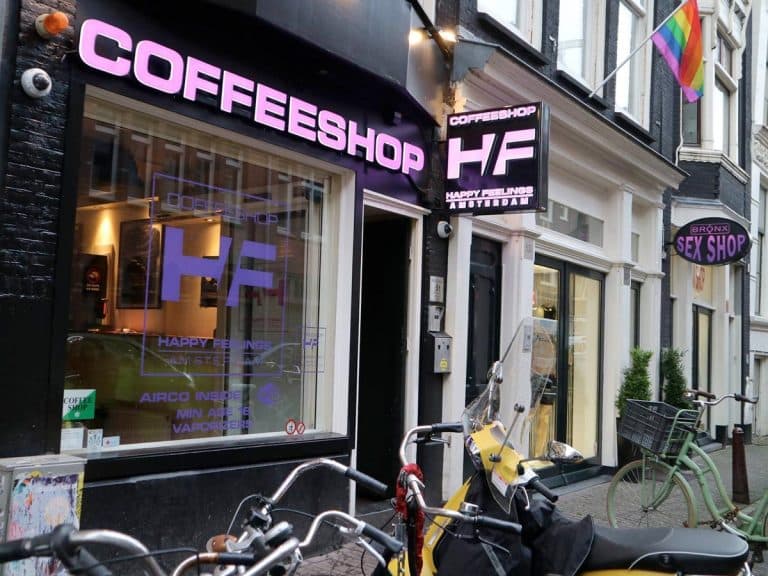
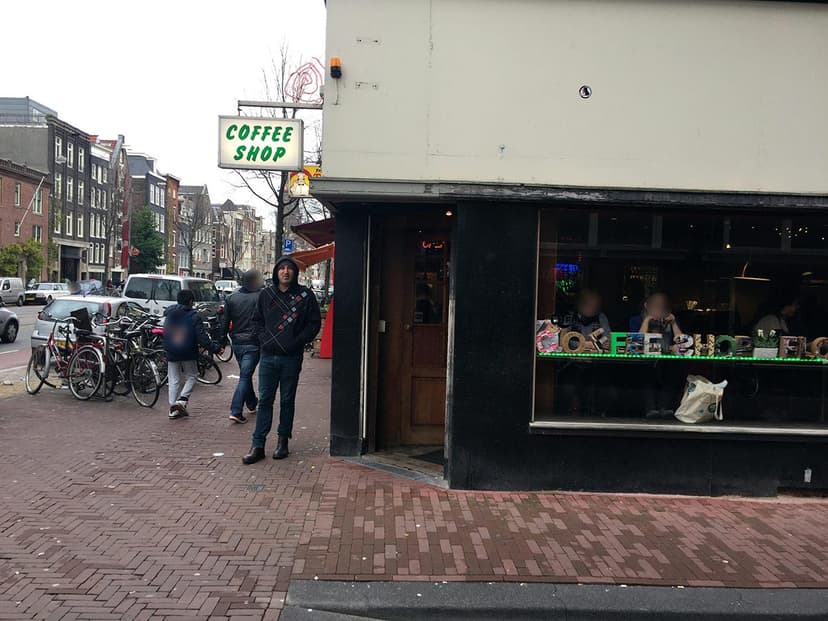
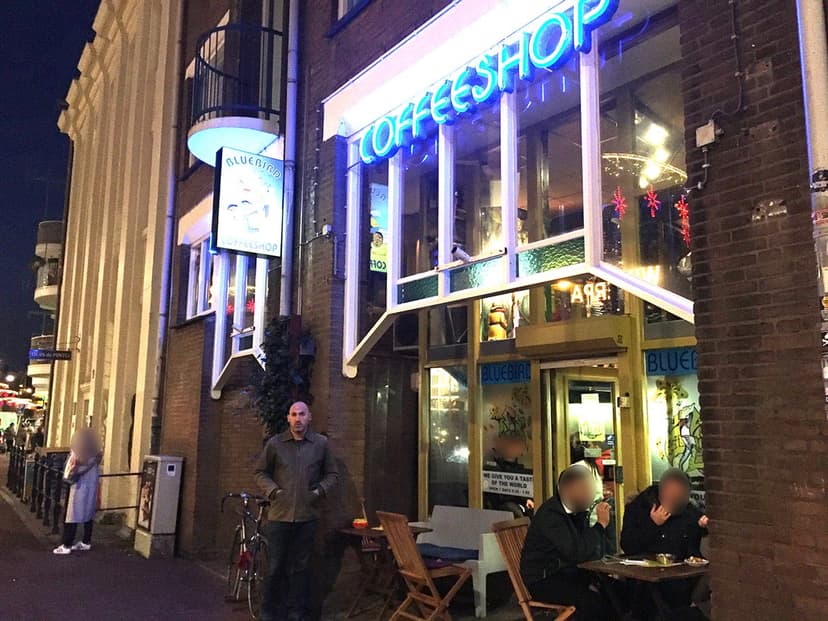
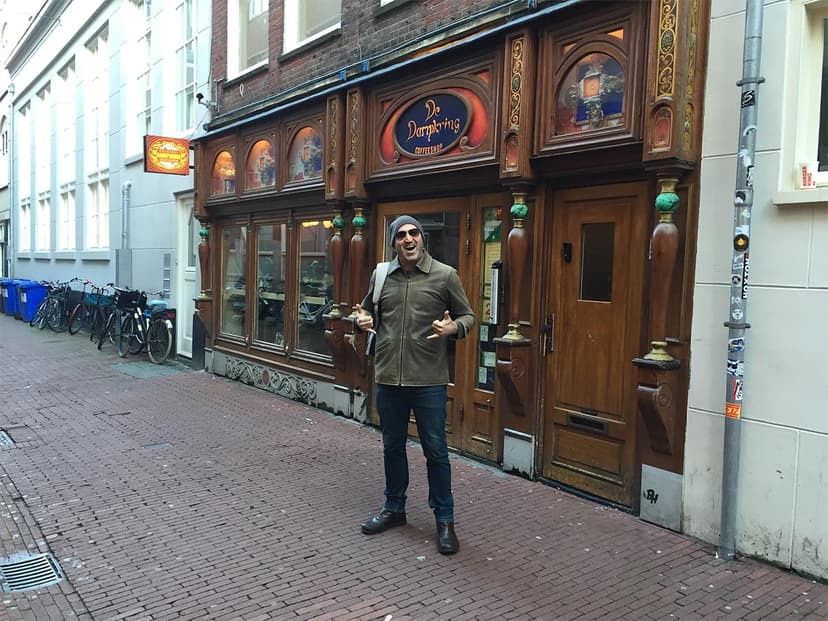
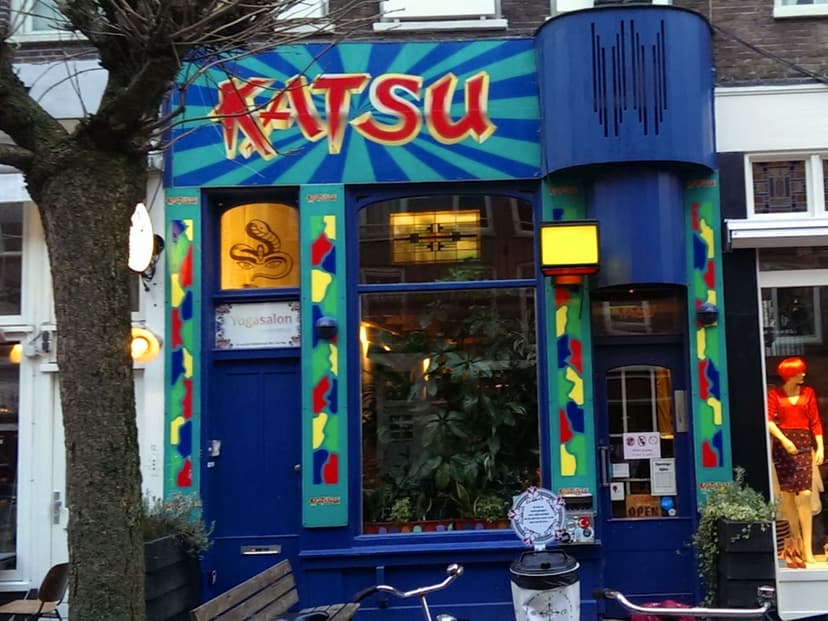
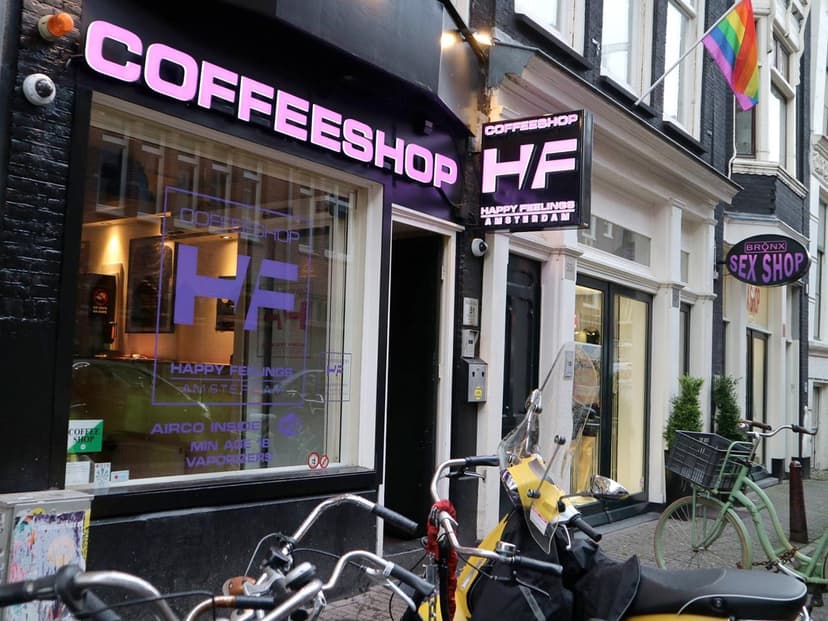
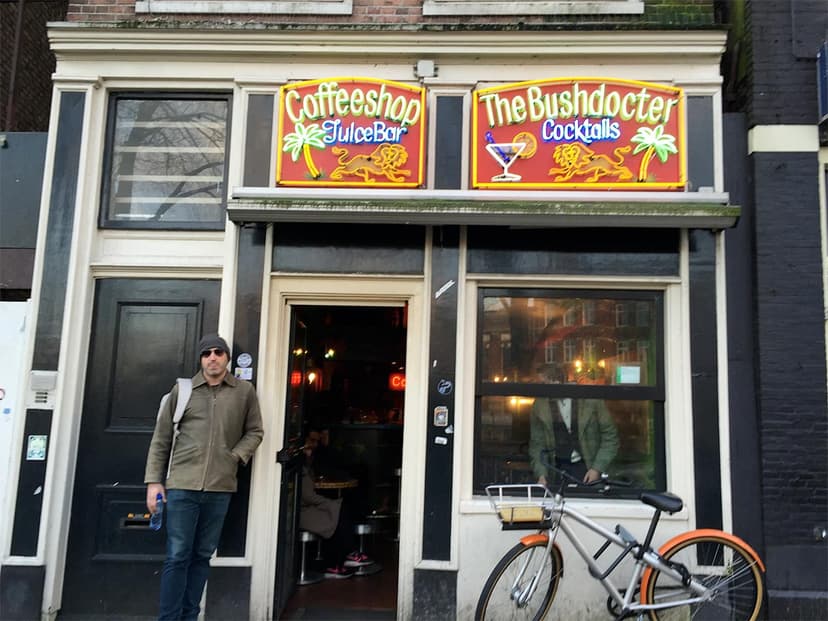
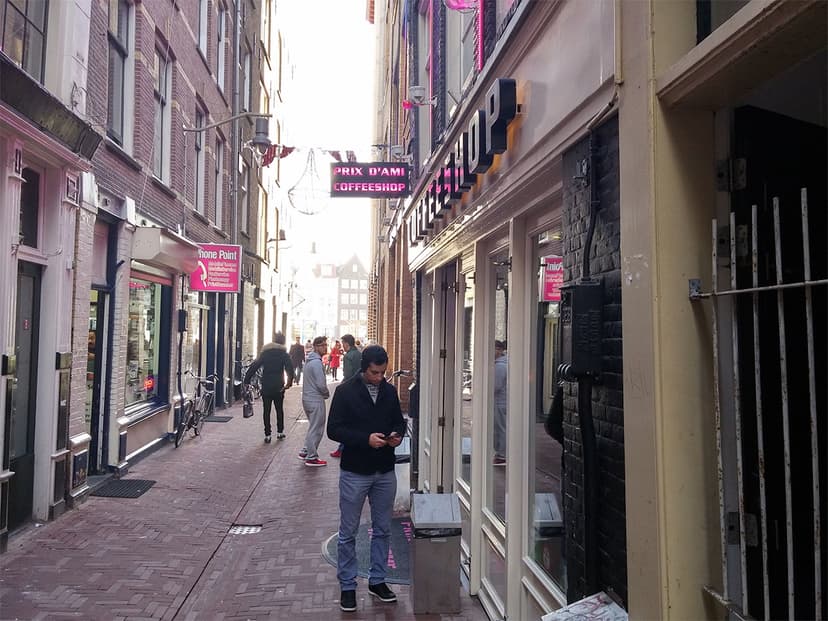
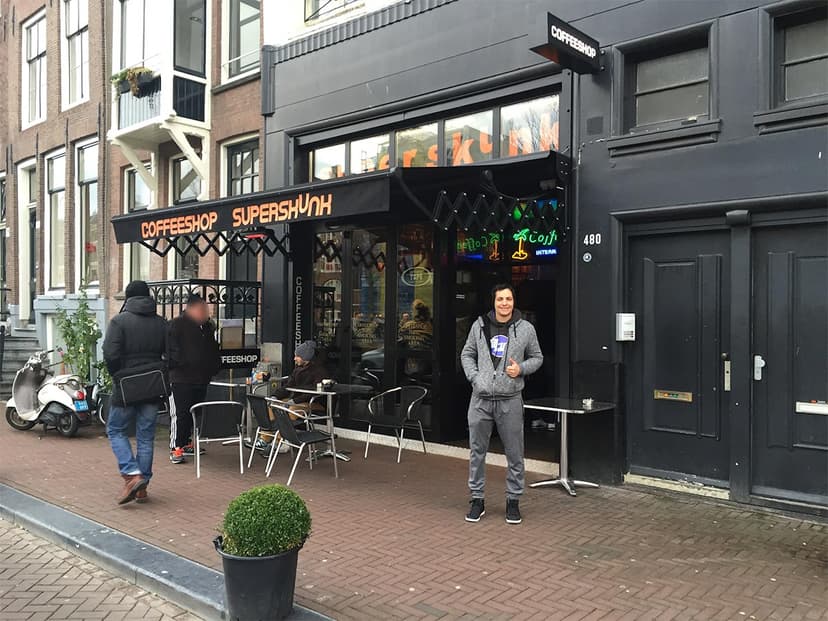
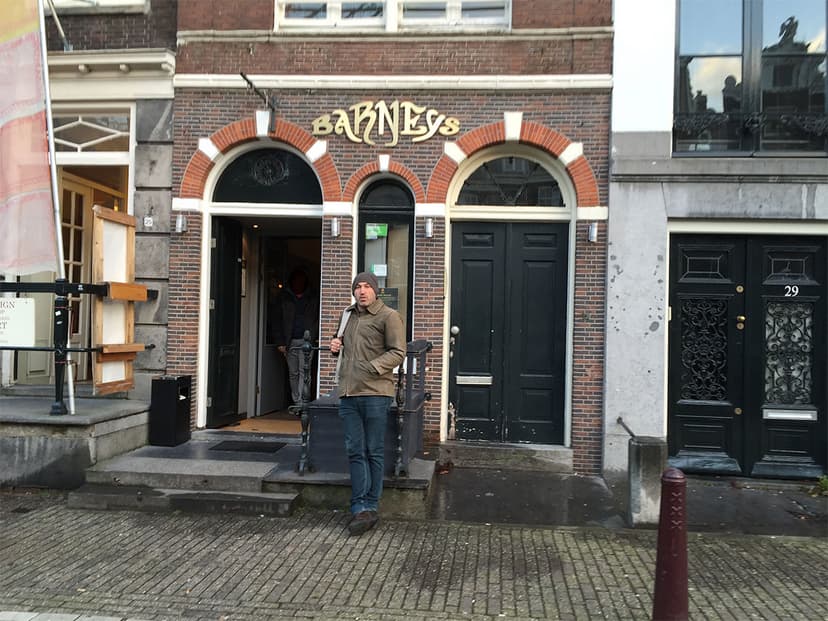
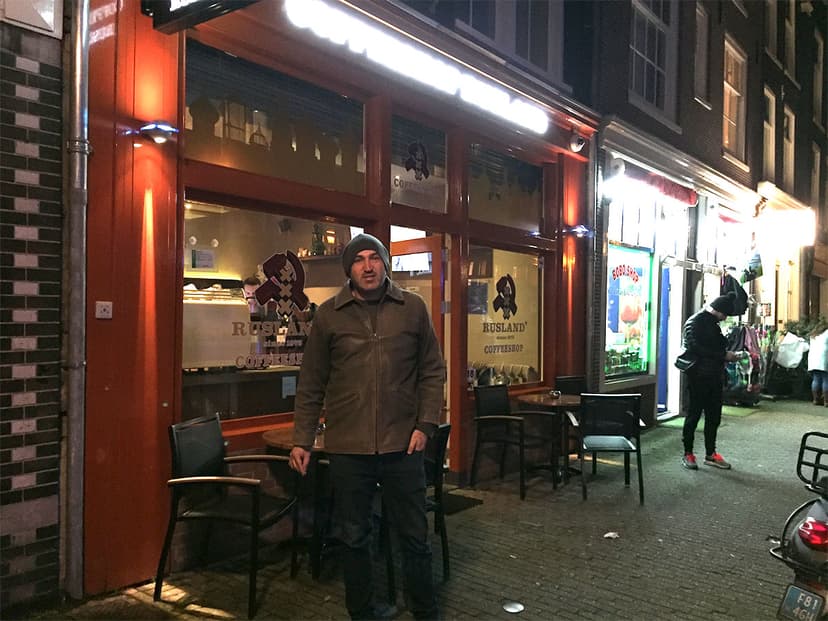
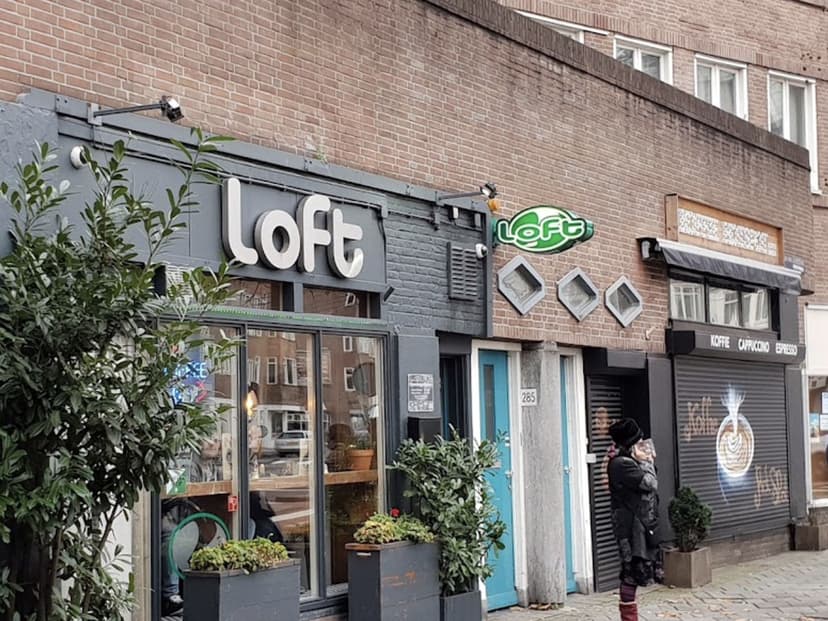
Coffeeshops (in Dutch: Coffeeshop) are shops in the Netherlands where cannabis and its derivatives are sold legally, in limited quantities, for personal use. Under Dutch drug policy, selling small quantities of cannabis products is permitted for licensed coffeeshops. Most of these shops also serve drinks and food. They may not serve alcohol or other drugs, though, and risk being closed down if they are found selling soft drugs to minors, hard drugs or alcohol. The idea of licensing cannabis sales was introduced in the 1970s with the explicit aim of keeping hard and soft drugs apart.
The minimum age to enter a coffeeshop is 18. You must be able to show identification (a passport or an international licence).
More about how to behave in Amsterdam.
Possessing, selling and producing drugs is not legal in the Netherlands. It should be said, though, that the Netherlands allows soft drugs to be sold in coffeeshops. There are strict conditions a coffeeshop must meet in order to sell cannabis, and alcoholic drinks are neither sold nor allowed to be drunk in a coffeeshop.
You will find coffeeshops across the Netherlands, not only in Amsterdam, though not every Dutch coffeeshop admits tourists. Over the past decade or so the number of coffeeshops in the Netherlands has generally fallen, from a little under 730 in 2005 to 564 in 2020. About a third of them were in the capital, Amsterdam.
When marijuana is smoked, THC and other chemicals in the plant pass from the lungs into the bloodstream, which carries them quickly through the body to the brain. The effects begin almost at once, and many people feel a pleasant euphoria and a sense of ease. Other common effects, which vary a great deal from person to person, include heightened senses (brighter colours, for instance), laughter, an altered sense of time and a sharper appetite. All of this differs greatly from one person to the next, for better and for worse.
Smoking cannabis delivers THC, the main psychoactive compound in cannabis and the one that produces the high. It can be taken in by smoking, straight into your lungs, from where it passes directly into your bloodstream and on to your brain. For an edible to reach the bloodstream and the brain, it must first travel through the stomach and the liver.
Cannabis edibles will feel stronger and their effects will last a great deal longer. An edible has to be digested and metabolised, so it can take up to two or three hours to come on, and the peak then fades over the three hours that follow. Compare that with inhaled cannabis, which usually peaks within 10 minutes and lasts about an hour. And although edibles can be strong, they technically deliver a smaller concentration of cannabinoids to the bloodstream.